
Deep shade with root competition is the hardest brief on the shore. These are the plants that hold up in it.
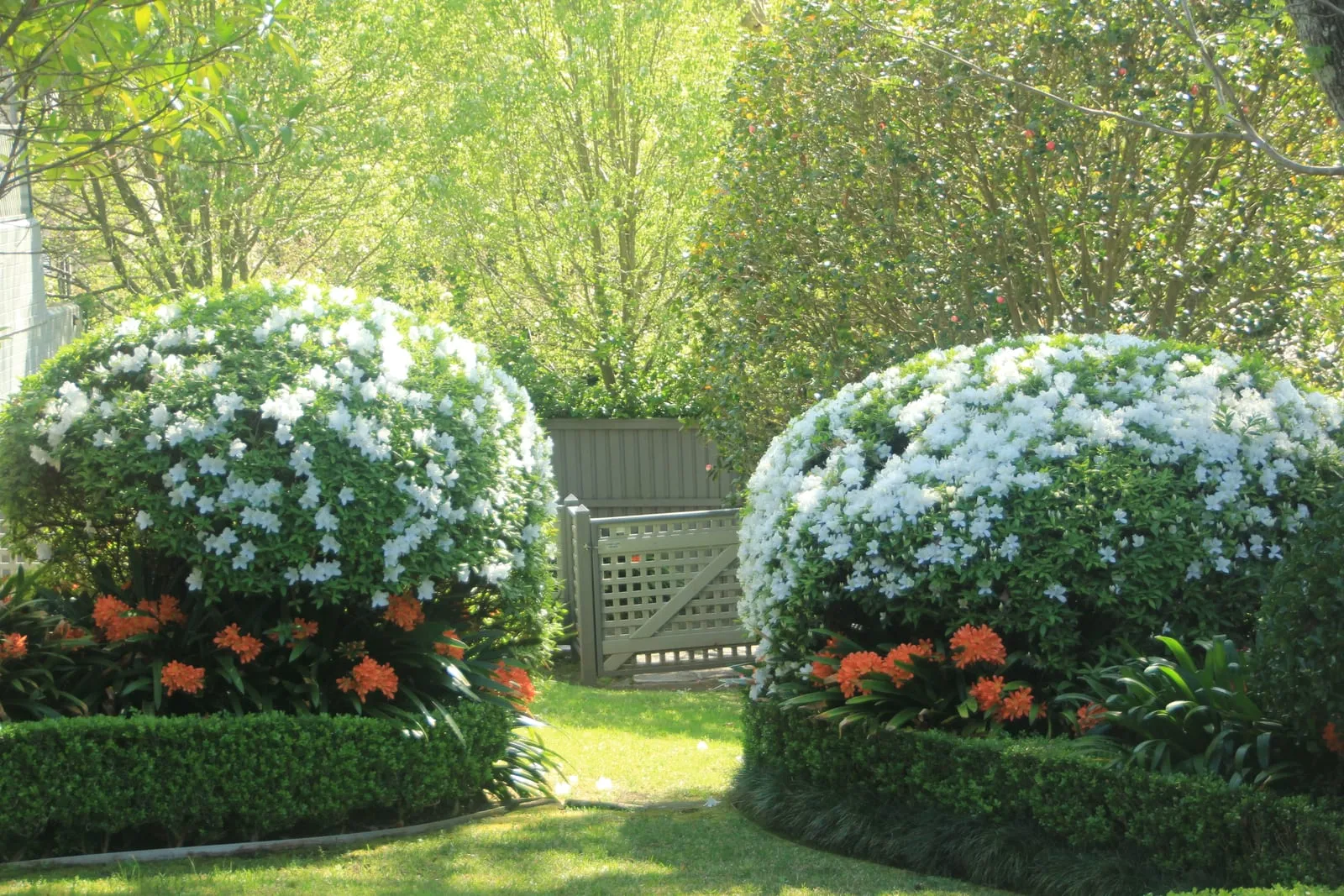
The canopy is the reason people move to this part of Sydney and the reason their garden beds disappoint them. Under an established brush box or a stand of eucalypts you are not dealing with one difficulty but three at once: low light, a rain shadow where the canopy sheds water outward past the bed, and a mat of tree roots taking whatever moisture does land. Plants sold as "shade tolerant" are usually tolerant of shade alone. That is a much easier ask.
This single distinction determines everything that follows.
Moist shade is the shade behind a south-facing wall, a fence line, or on the cool side of the house. Light is low, but nothing is competing for water. Hydrangeas, hellebores, ferns and azaleas all perform here, and this is the shade most gardening books are quietly describing.
Dry shade is the shade under a mature tree. It is the common condition in Pymble, Killara and the leafier parts of Wahroonga, and it is genuinely hostile. The soil is dry a spade's depth down even after rain, and it is threaded with roots. Take a trowel out and try to dig a hole. If you hit a root network in the first few centimetres and the soil is dusty, that is your answer.
These are the ones we return to because they survive the second summer, which is the real test.
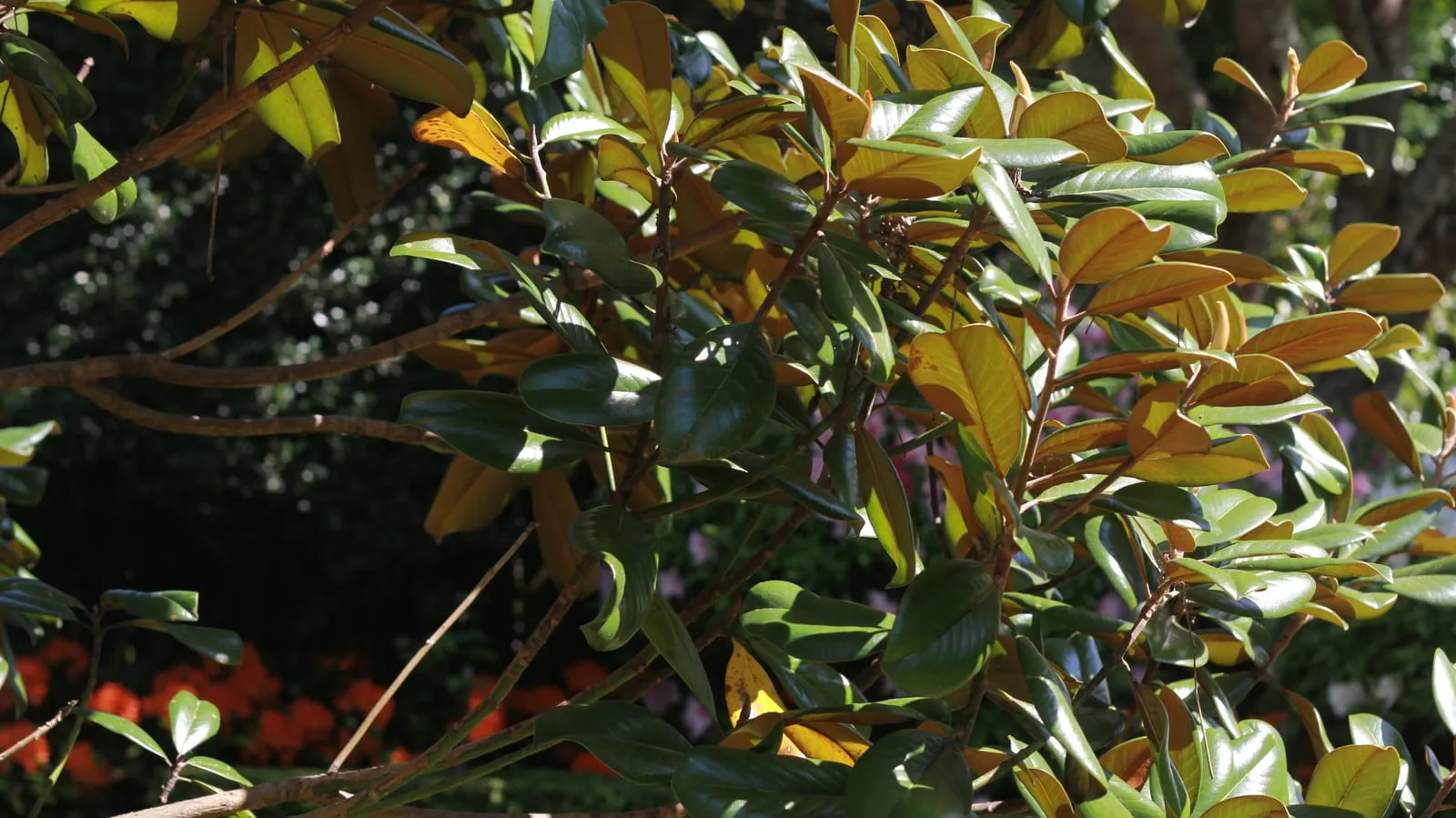
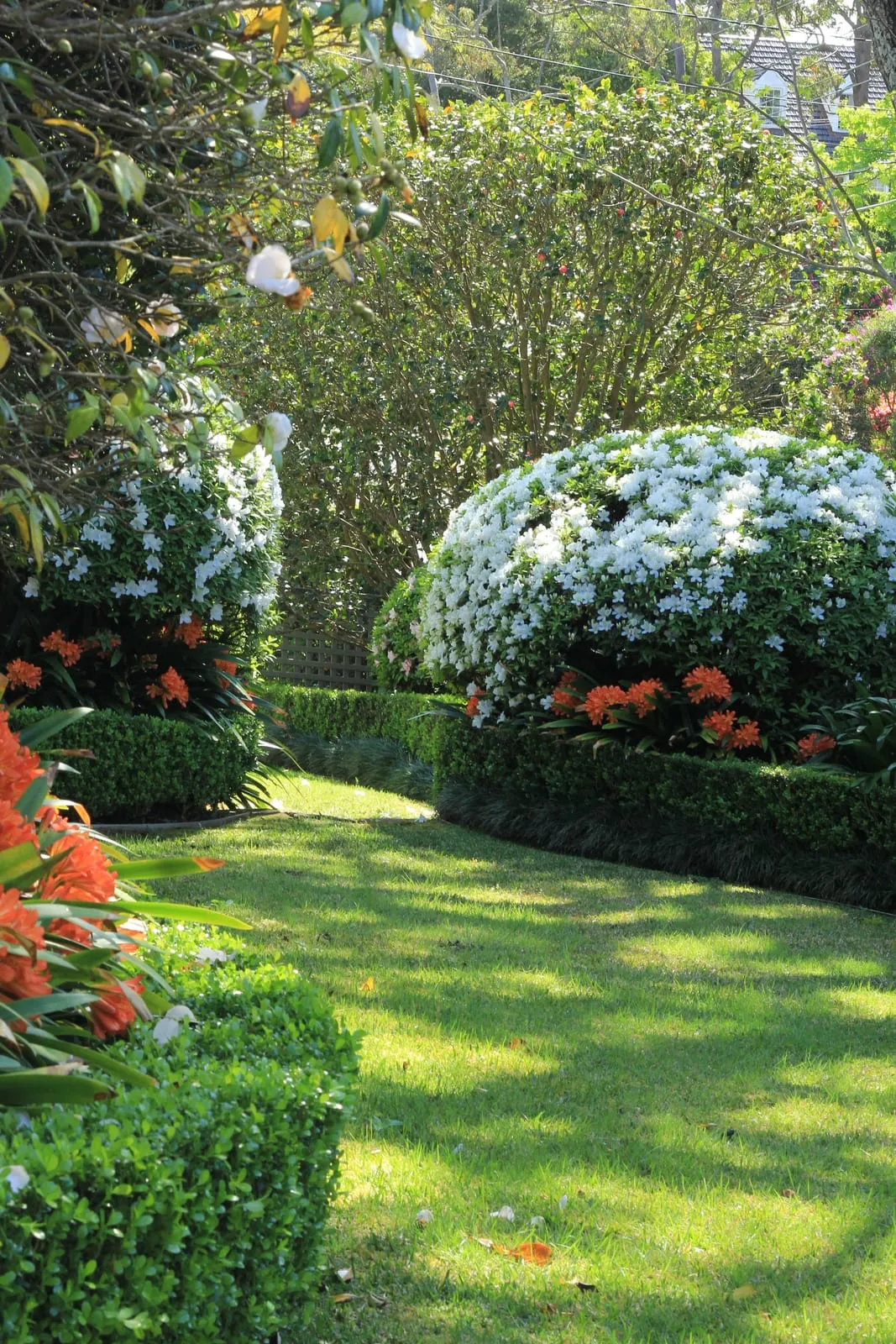
Camellias deserve their reputation on the North Shore. Both sasanquas and japonicas flower properly in dappled to moderate shade, they are long-lived, and they take pruning well, which makes them the backbone of many established gardens here. Rondeletia, Viburnum odoratissimum and Michelia all hold up in part shade and give you structure to plant beneath.
Worth naming, because these are the plants people keep replacing.
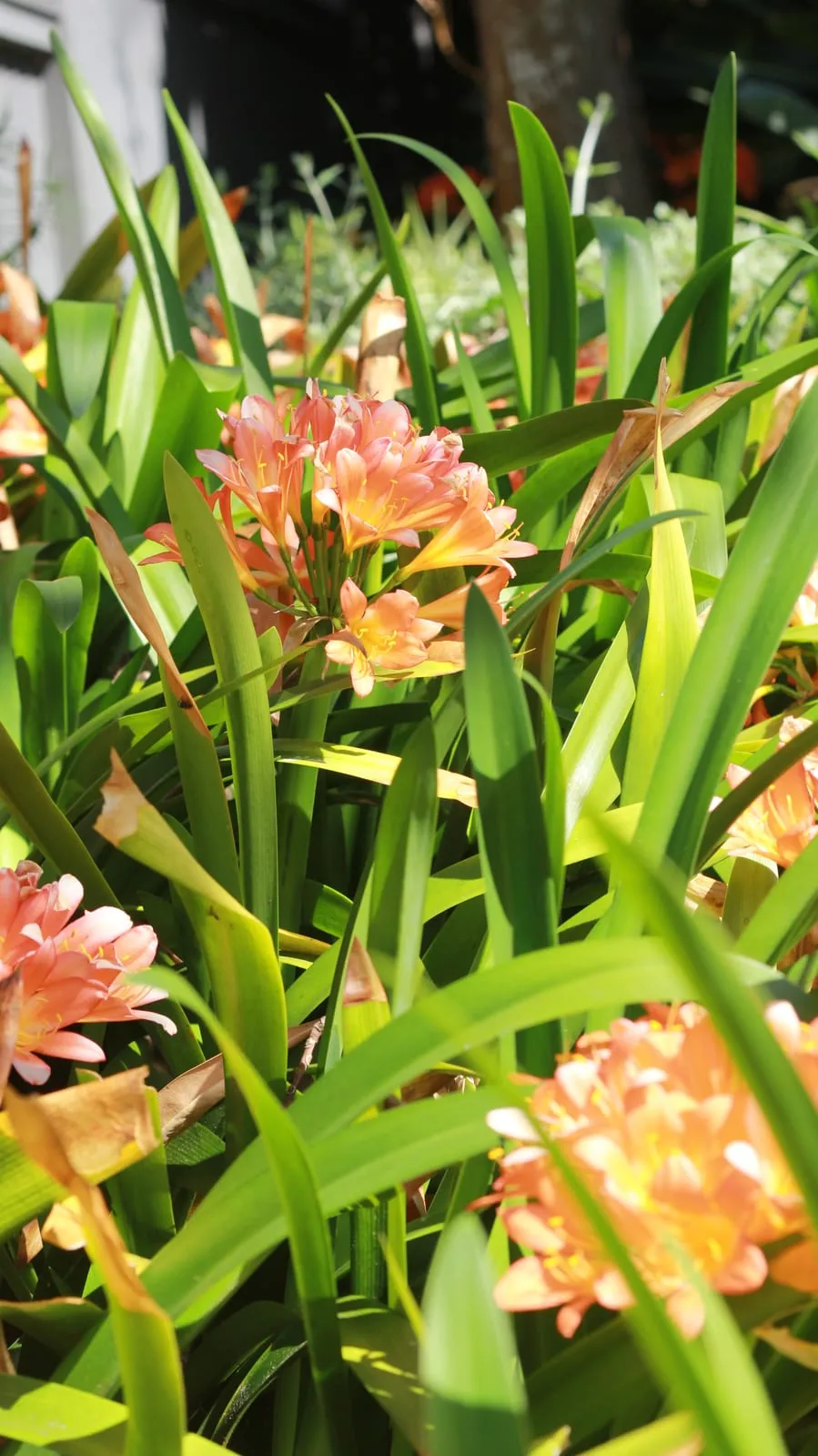
In low light a garden that relies on bloom will always look sparse, because most flowering is a response to sun. The shade gardens that look good year round are built from leaf contrast instead: the strap leaves of clivia against the broad paddles of an aspidistra, silver plectranthus lifting a dark corner, fern texture at ground level. Get the foliage composition right and flowering becomes a bonus rather than the whole effect.
Technique matters more here than anywhere else in the garden. Plant small, in tube or 140mm sizes, into pockets between roots rather than digging out a bed and severing the tree's feeder roots. Never raise the soil level over a mature root plate, which suffocates the roots and can kill a tree slowly enough that nobody connects the two events. Build fertility from the top with compost and a good mulch layer, kept clear of plant stems. Then water deeply and consistently through the first two summers, because everything you plant is competing with a tree that had a twenty-year head start.
If you would rather have this resolved as a designed scheme than assembled plant by plant, our garden design work covers shaded blocks specifically, and our landscaping service handles the planting, soil preparation and mulching. For an existing garden that is underperforming rather than being rebuilt, horticulture services is usually the right starting point.
Dry shade sits under an established tree, where the canopy blocks both light and rainfall and the tree roots take most of the available moisture. Moist shade sits behind a south-facing wall or fence, where light is low but water is not competed for. They look identical on a plan and support almost completely different plants, which is why a plant list that worked at a friend's place can fail two streets away.
Not heavily. The feeder roots that keep a mature tree alive sit in the top 30 centimetres of soil, spread well past the canopy edge, and severing them causes decline that shows up years later. Major excavation within the root zone may also need Council approval. We plant into pockets between roots, use small plant sizes, and build fertility by mulching from the top rather than by digging.
Sometimes, but honestly, often not. Even shade-tolerant buffalo wants around four hours of light a day. Under a dense brush box or a group of eucalypts you can spend years reseeding a lawn that never thickens. In those spots a mass planting of liriope or mondo, or a mulched bed, looks better and costs less to keep.
More on local conditions: working with Ku-ring-gai soils and when to prune on the North Shore.
Request a quote for a shade planting assessment or redesign. We reply the same day.