
Most pruning disappointments are timing problems, not technique problems. Here is the calendar we work to across Ku-ring-gai.
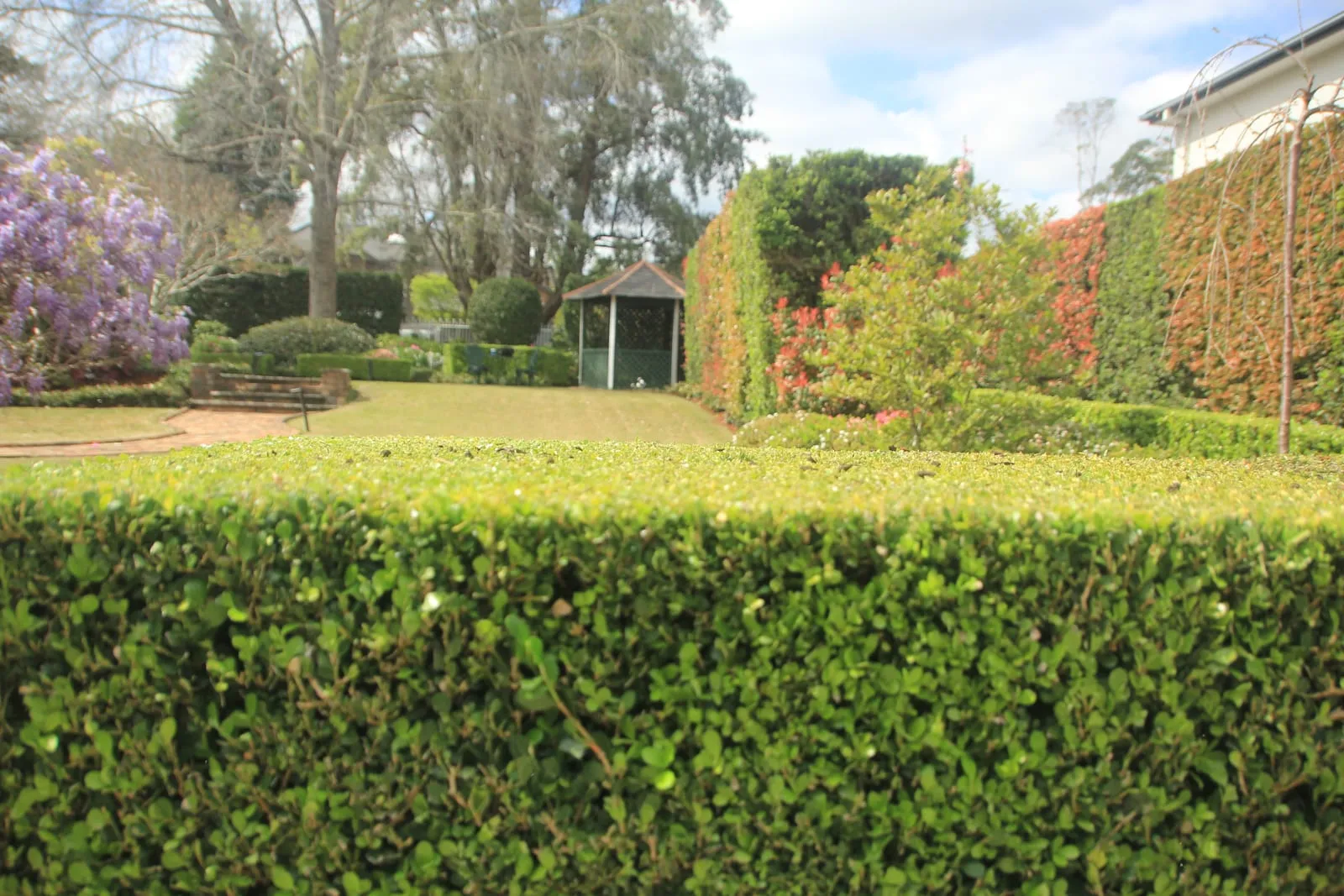
Almost every "my plant never flowers" conversation we have on the North Shore ends in the same place: it was pruned at the wrong time of year. The cut itself was usually fine. It simply happened after the plant had set the buds it was going to open, so a season's flowering went into the green bin.
The general rule is easy to remember. Prune flowering plants immediately after they finish flowering. That gives the plant the longest possible run of growing weather to build next season's buds, and it means you are never cutting off buds that have already formed. Almost everything below is an application of that one rule to the species that actually dominate gardens here.
Winter is the structural season. Deciduous plants are dormant, their framework is visible without foliage in the way, and the cuts you make now shape the whole of next year.
What not to touch in winter: frangipani, murraya, gardenia and most tender subtropicals. Cold, wet cuts on those plants heal slowly and often rot back further than you cut.
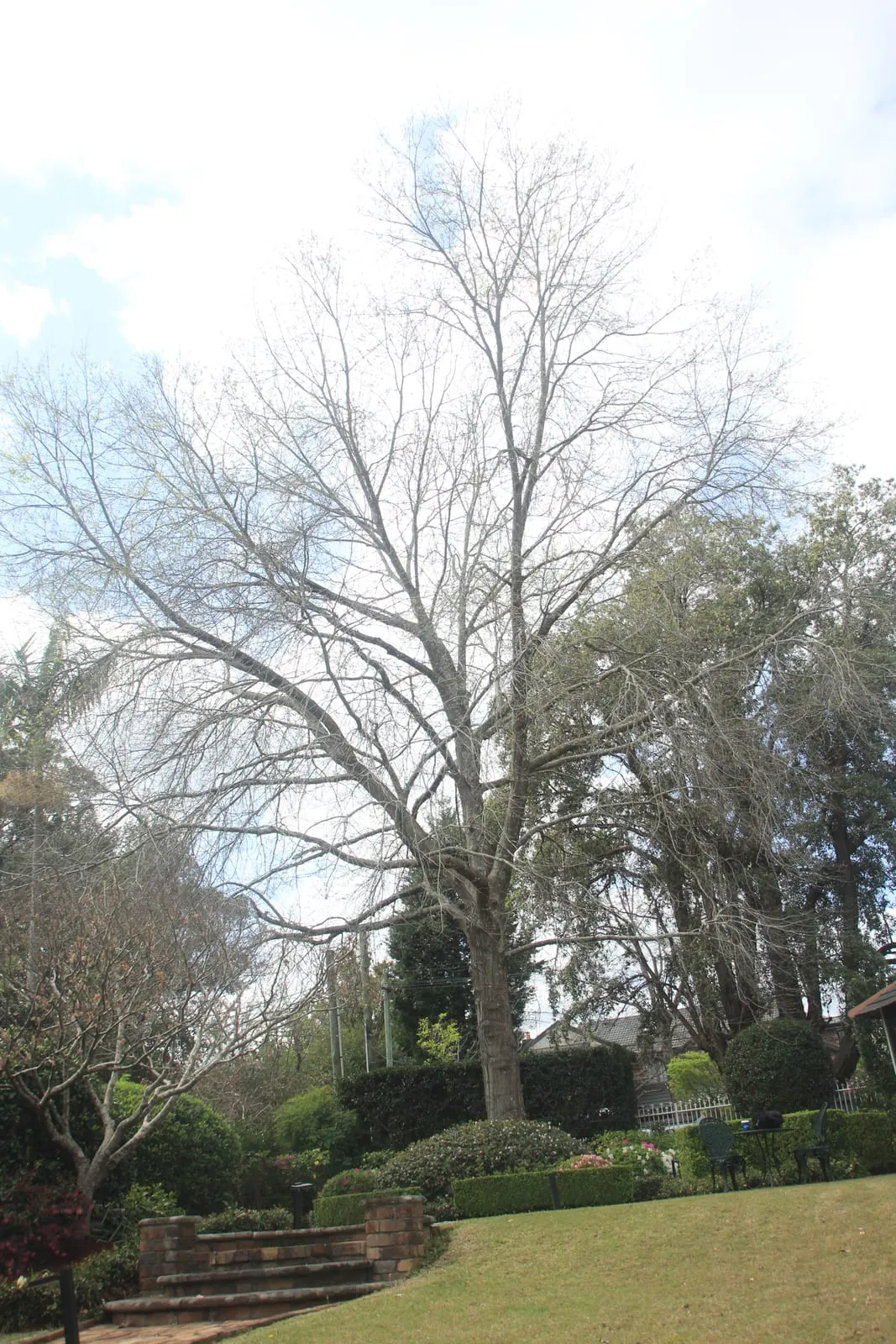
This is the busiest pruning month of the year in a well-kept North Shore garden, because it is when the formal work starts and when the winter-flowering plants finish.
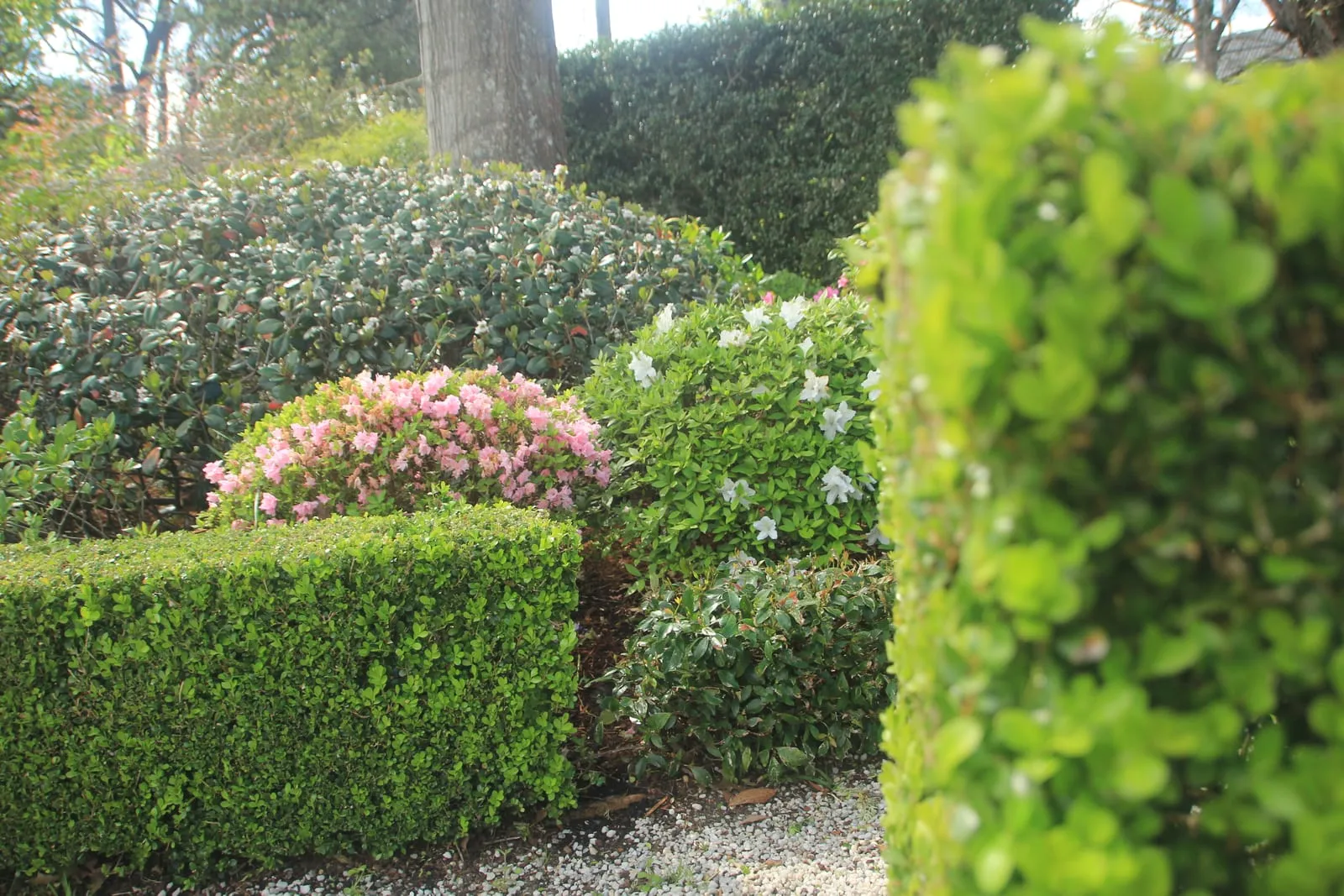
Summer pruning is maintenance rather than reshaping. Growth is fast, so hedges are cut to hold the line rather than to change it.
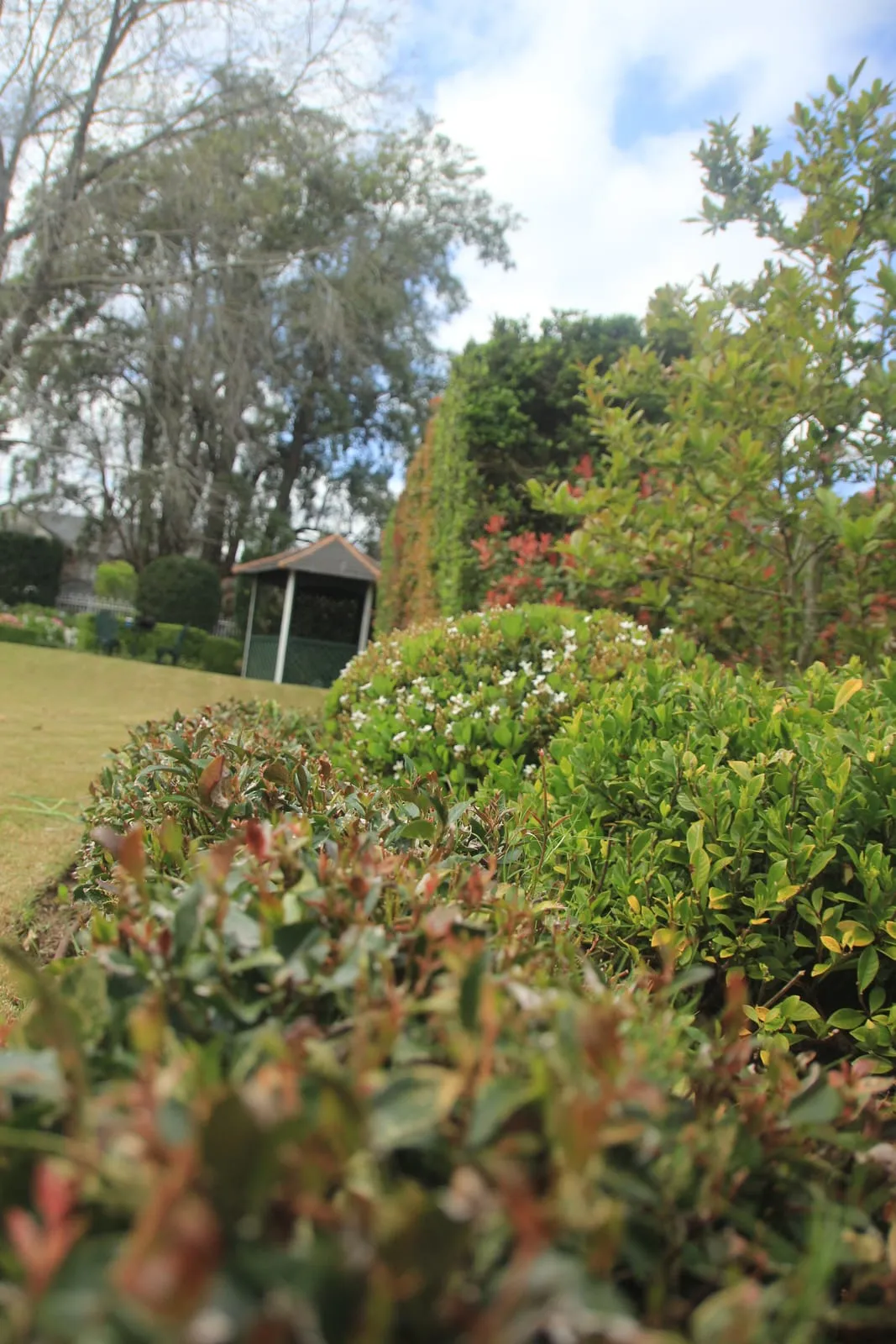
Autumn is the tidy-up, and the season with the most timing traps.
Tree work is regulated here. Ku-ring-gai Council controls pruning and removal of trees over a certain size, and the area contains remnants of Blue Gum High Forest and Sydney Turpentine-Ironbark Forest, both endangered ecological communities carrying additional protections. There are exemptions for smaller trees, dead wood and some species, but they are specific enough that guessing is a poor strategy. If a job involves anything more than light shaping of a small ornamental, confirm the position with Council first, or have it assessed as part of a quote. Our tree pruning work covers small trees, ornamentals, fruit trees and hedges, and we will tell you plainly when a job needs a consulting arborist or Council approval instead.
Getting the timing right across a mixed garden means keeping a calendar for a dozen different species at once, which is precisely what a maintenance program is for. Our garden maintenance plans schedule each cut in its correct window, so the camellias are pruned after flowering and the hedges are shaped before the flush rather than during it. If you want a considered look at the whole garden instead, our horticulture services cover seasonal care programs built around what you actually have growing.
It depends on the type. Sasanqua camellias flower through autumn, so prune them in late autumn or early winter once the last flowers drop. Japonicas flower from mid winter into spring, so they are pruned in spring after flowering finishes. Pruning either one before it flowers simply removes the buds you were waiting for.
Often, yes. Ku-ring-gai Council regulates pruning and removal of trees above a certain size, and parts of the area contain endangered forest communities with additional protections. Exemptions exist for small trees, some species and dead material, but the thresholds are specific. Check with Council before any significant tree work, or ask us to assess it as part of a quote.
Avoid hard pruning during a heatwave, when the sudden exposure of inner foliage and bark leads to scorch. Avoid pruning frost-tender plants like murraya and frangipani late in autumn, since the soft regrowth is what the cold damages. It is also worth checking hedges for active nests in spring, as native birds are protected.
More on local conditions: shade-tolerant plants for a North Shore canopy and working with Ku-ring-gai soils.
Request a quote for a seasonal maintenance program. We reply the same day.